
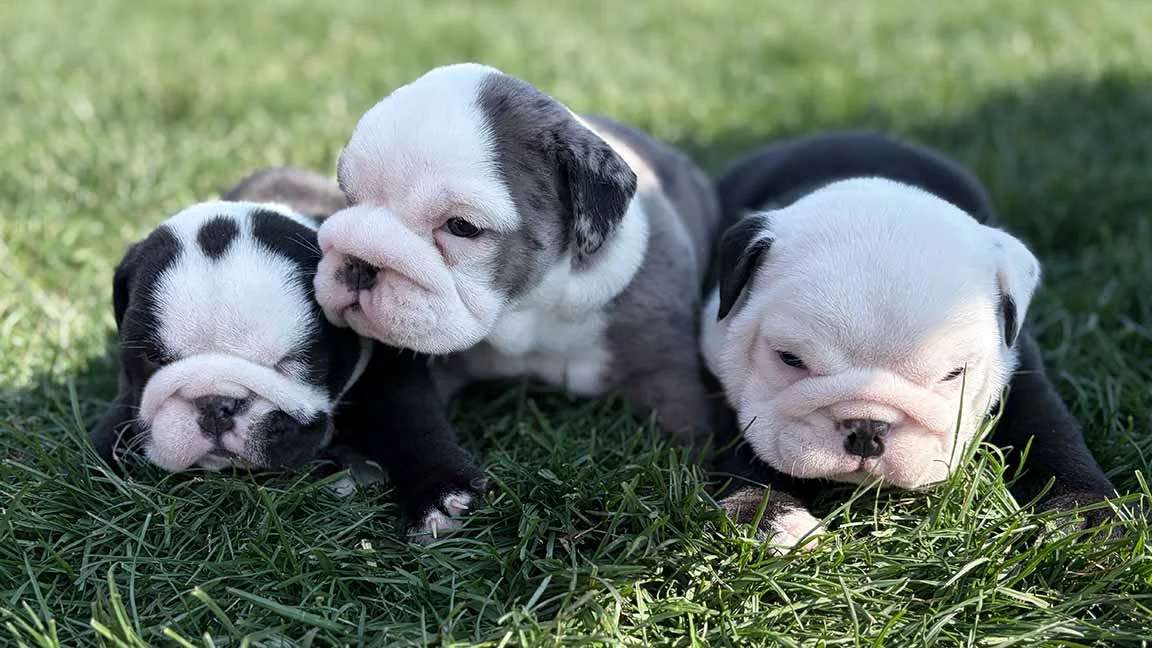
Potty Training a Dog: Tips That Actually Work
Potty training a dog comes down to consistency, patience, and setting your dog up for success from the very beginning. Whether you are bringing home a brand new puppy or working with an older dog, the right approach makes the process smoother for everyone. With a clear routine and a little know-how, most dogs can be reliably house trained within a few weeks.
Why Potty Training Matters More Than You Think
Potty training is not just about keeping your floors clean. It is one of the first ways you establish trust, communication, and structure with your dog. Dogs are naturally den animals and do not want to soil their living space. When you give them clear guidance and a predictable routine, they learn quickly what is expected of them.
At Heart Strong Pups, we have been raising puppies since 1992, and one thing we have learned over three decades is that the foundation you build in those first weeks at home shapes everything that comes after. Potty training is where that foundation begins.
How to Start Potty Training a Dog
Starting strong sets the tone for the entire process. Here is what to focus on right away.

Pick a Designated Potty Spot
Choose one spot outside where you want your dog to go every time. Taking your dog to the same location helps them recognize the purpose of the trip and speeds up the learning process. The familiar scent also acts as a cue.
Establish a Consistent Schedule
Dogs thrive on routine. Take your dog outside first thing in the morning, after every meal, after naps, after playtime, and right before bed. Puppies, especially, have small bladders and need to go out every 1 to 2 hours in the early stages.
Use a Cue Word
Pick a simple phrase like “go potty” or “outside” and use it every single time you take your dog to their spot. Over time, this cue helps your dog understand what you are asking and can speed up the process when you are in a hurry.
Reward Immediately
Praise and reward your dog the moment they finish going outside, not when you get back inside. Timing is everything. That immediate positive reinforcement is what teaches your dog that going outside is the right choice.
What to Do When Accidents Happen
Accidents are a normal part of the process, especially in the early weeks. Here is how to handle them without setting back your progress.
Stay Calm and Clean It Up Thoroughly
Never scold your dog after the fact. Dogs live in the moment and will not connect a punishment to something they did minutes ago. Simply clean the area thoroughly with an enzyme-based cleaner to remove the scent, which helps prevent your dog from returning to the same spot.
Interrupt, Do Not Punish
If you catch your dog in the act, calmly interrupt with a neutral sound and take them outside right away. If they finish outside, reward them. This teaches them where the right place is without creating fear or anxiety around the process.
Look for Patterns
If accidents keep happening at the same time of day or in the same spot, it is a sign your schedule needs adjusting. Add an extra outing around that time and see if it helps.
Common Potty Training Mistakes to Avoid
Even well-meaning owners can accidentally slow down the process. Watch out for these common missteps.
- Waiting too long between outdoor trips, especially for young puppies
- Giving your dog too much unsupervised freedom too soon
- Using punishment instead of redirection
- Inconsistent schedules or rotating who takes the dog out
- Skipping the reward when your dog goes outside successfully
How Long Does Potty Training Take?
Most puppies begin to get the hang of it within two to four weeks with consistent effort, though full reliability often takes three to six months. Older dogs can sometimes learn even faster because they have better bladder control. Every dog is different, and some breeds or individuals take a little longer. The key is to stay consistent and not get discouraged by setbacks.
Potty Training and Crate Training Work Together
One of the most effective tools for potty training is a properly sized crate. Dogs instinctively avoid soiling the space where they sleep. A crate that is just large enough for your dog to stand, turn around, and lie down comfortably encourages them to hold it until they can go outside.
At Heart Strong Pups, puppies begin learning how to settle and rest quietly before they ever go home. That early exposure to structure makes the crate training process much easier for new families and gives puppies a head start on house training from day one.

Signs Your Dog Needs to Go Out
Learning to read your dog’s signals is a big part of successful potty training. Watch for:
- Sniffing the ground and circling
- Whining or pawing at the door
- Suddenly leaving the room or losing interest in play
- Squatting or starting to go
The sooner you recognize these cues and respond, the fewer accidents you will have inside.
Puppies That Are Already Off to a Great Start
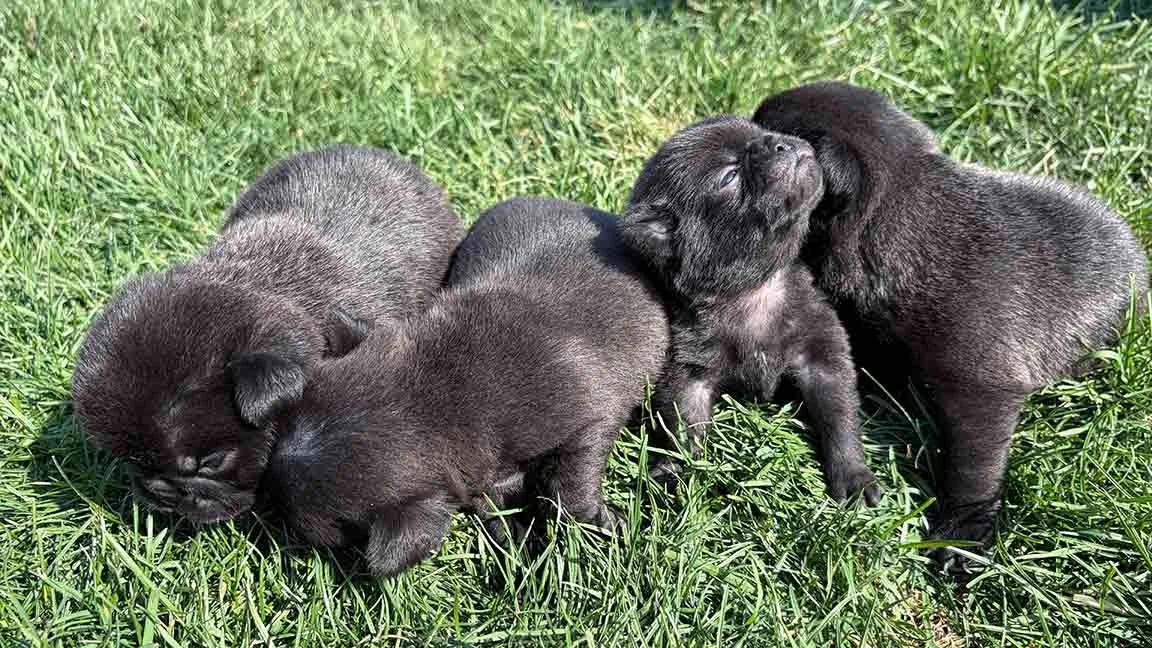
At Heart Strong Pups, our English Bulldog and Pug puppies are introduced to potty routines, settling, and basic structure before they ever come home with you. That early foundation means you are not starting from scratch on day one. If you are ready to bring home a puppy that has already had a head start, browse our available English Bulldogs and Pugs to find your perfect match. Have questions about our program or want to know more about what we do before placement? We would love to hear from you. Reach out anytime, and we will be happy to help.
Frequently Asked Questions
How often should I take my puppy outside for potty training?
Young puppies need to go out every one to two hours during the day, as well as first thing in the morning, after meals, after naps, after play, and before bed. As they get older and gain better bladder control, you can gradually extend the time between trips.
Is it harder to potty train an older dog?
Not necessarily. Older dogs often have better bladder control than puppies, which can actually make the process faster. The key is the same as with puppies: consistency, a clear routine, and positive reinforcement every time they go outside.
Should I use potty pads during house training?
Potty pads can create confusion because they teach your dog that going inside is sometimes acceptable. Whenever possible, take your dog directly outside from the start. This builds a clearer habit and avoids the extra step of transitioning away from pads later.
What is the best way to clean up an accident indoors?
Use an enzyme-based cleaner designed for pet messes. These cleaners break down the odor at the source rather than masking it, which helps prevent your dog from returning to the same spot. Avoid ammonia-based cleaners, as the smell can actually attract dogs back to the area.
How do I know if my dog is fully potty trained?
A dog is considered reliably house trained when they consistently signal to go outside, have no accidents indoors for several weeks, and can hold it comfortably for an age-appropriate amount of time. Keep up the routine even after things seem solid, as consistency is what maintains the habit long term.
Related Posts
English Bulldog Ear Infections: Causes, Signs, and Prevention
English Bulldog Ear Infections: Causes, Signs, and Prevention English Bulldog ear infections are common due to the breed's rose [...]
English Bulldog Breathing Problems: What’s Normal and What’s Not
English Bulldog Breathing Problems: What's Normal and What's Not Some noisy breathing, snoring, and grunting is normal for English [...]
Pug vs French Bulldog: What’s the Difference?
Pug vs French Bulldog: What's the Difference? Quick Answer: In the Pug vs French Bulldog comparison, Pugs tend to [...]
What Do Pugs Eat? A Feeding and Nutrition Guide
What Do Pugs Eat? A Feeding and Nutrition Guide Quick Answer: What do Pugs eat for the best health? [...]