

Do Pugs Shed? What to Expect From Their Coat
Quick Answer: Yes, “Do Pugs shed?” is one of the most common questions we hear, and the honest answer is that Pug shedding happens year-round despite their short coat, though it is easy to manage with the right routine. At Heart Strong Pups, we always make sure prospective families understand this before bringing a Pug home.
Is Pug shedding heavier than people expect from such a short coat? For most new owners, the answer is yes, and once you understand why, it is a simple, predictable part of life with this breed rather than anything to worry about. This guide explains what is actually happening with a Pug’s coat and how to manage the hair with ease.
What’s Behind a Pug’s Low-Maintenance Coat
Pug shedding comes down to their double coat, which includes a short, dense undercoat beneath the smooth topcoat most people notice. That undercoat sheds continuously, with slightly heavier shedding seasons in spring and fall as the coat adjusts to temperature changes, much like many short-coated breeds.
Indoor living actually works in a Pug owner’s favor here. A Pug who lives primarily indoors, under artificial heating and air conditioning, does not experience the same dramatic seasonal light cues that a dog living mostly outdoors would, so many indoor Pugs shed at a fairly steady, predictable rate all year rather than in one overwhelming seasonal blowout. Once new owners understand this pattern, most find it is far easier to plan around than they originally expected.

How Much Pug Shedding Is Normal
Pugs are considered moderate to heavy shedders relative to their coat length, and understanding this upfront helps set the right expectations before bringing one home.
How much hair does a Pug actually lose compared to what first-time owners assume from looking at their short coat? More than most expect, but veterinary guidance on canine coat types confirms that short-haired breeds without a heavy undercoat tend to shed at low levels year-round rather than in two big seasonal blowouts, which most owners find much easier to live with once they settle into a simple grooming routine. A bit of Pug hair on furniture and clothing becomes a normal, easily managed part of daily life with this breed.
Grooming Tools That Help
A rubber curry brush or de-shedding tool used two to three times per week significantly reduces loose hair around the home. Regular brushing does not stop Pug shedding altogether, since it is a natural, ongoing process for this double-coated breed, but it does keep loose fur from ending up everywhere else.
Diet and Coat Health

A high-quality diet with adequate omega fatty acids supports healthy skin and keeps shedding at the normal, manageable baseline for the breed. It is worth noting that shedding well beyond that normal baseline is usually a sign of something else going on, such as poor early nutrition, an undiagnosed parasite load, or unmanaged stress, all of which are more common in puppies who came from high-volume or poorly managed sources rather than a hands-on, health-focused program.
Puppies raised by an ethical breeder on quality nutrition from birth, with regular parasite prevention and low-stress handling, are far less likely to develop that kind of excessive or abnormal shedding, so what you see is simply the breed’s normal, easy-to-manage coat.
What We Tell New Pug Families
Every family who reserves a Pug from Heart Strong Pups hears the honest answer about Pug shedding before they ever bring a puppy home, because we believe in setting realistic expectations from the start. This is one of the many topics we cover in our Pug puppy care guide, alongside details on our Pug program.
If you are ready to start your search, our Pug puppies page is a good place to begin.
The Family Who Called Us Mid-Move

A few years ago, a family who had adopted one of our Pug puppies called us the week after they moved into a new house, half laughing and half serious, asking if something was wrong with their dog because there was fur everywhere despite regular brushing. We walked them through what we cover in every puppy orientation: that moving, along with the stress and temperature changes that come with it, can temporarily increase shedding even in a healthy dog. We suggested they stick with a consistent brushing schedule and give it a couple of weeks to settle, and sure enough, once their Pug adjusted to the new house, the shedding leveled back out to its normal baseline. It was a good reminder for us, too, that shedding is not always about the dog’s health so much as their environment, and it is exactly the kind of question we want families to feel comfortable calling us about.
Managing Pug Shedding Around the Home
Beyond brushing the dog directly, a few household habits make a noticeable difference in how much loose hair ends up on furniture and clothing, and Pug shedding around the house becomes far less noticeable once these habits become routine.
Washable throws on favorite resting spots, a good pet-specific vacuum attachment used weekly, and a lint roller kept by the door for a quick pass before leaving the house are simple, low-effort tools that most Pug owners come to rely on. Bathing your Pug every four to six weeks with a dog-specific shampoo also helps loosen and remove dead undercoat hair before it ends up on your floors, though over-bathing can dry out the skin and actually increase shedding, so more frequent than that is not necessarily better.
A Note for Families With Allergies
If allergies are a concern in your household, it is worth knowing that a Pug’s shedding, combined with the dander that comes off any dog’s skin, means this breed is not a good fit for someone with a significant dog allergy. Unlike some other small breeds that are marketed as low-allergen options, Pugs do not have a coat type that reduces dander production. Families who suspect a mild allergy are always welcome to spend time around one of our adult dogs before committing to a puppy, since a real-world test is far more reliable than guessing based on breed alone.
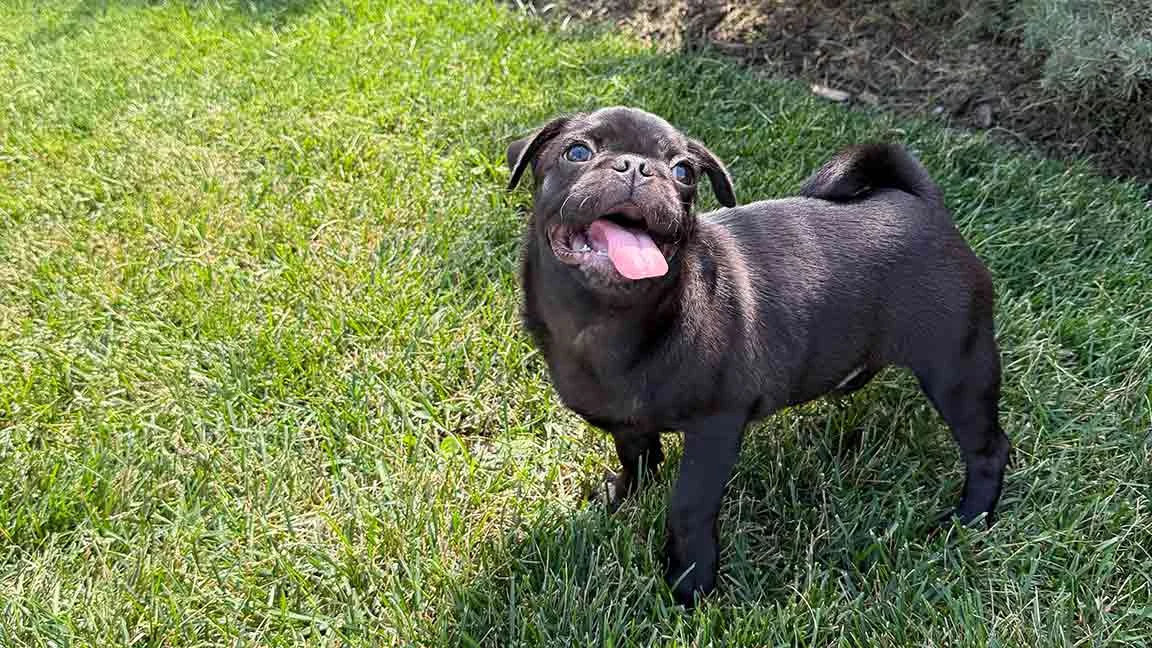
Frequently Asked Questions: Do Pugs Shed?
Is Pug shedding heavy for their size?
Pugs are moderate to heavy shedders relative to their coat length, largely due to their dense double coat, though it is easy to manage with regular brushing.
Is there a season when Pugs shed the most?
Most Pugs shed more heavily in spring and fall as their coat adjusts to seasonal temperature changes.
Can grooming stop a Pug from shedding?
No, regular brushing reduces loose hair around the home but cannot stop shedding altogether, since it is a natural process.
Are Pugs hypoallergenic?
No, Pugs are not hypoallergenic, and their shedding can be a concern for families with allergies.
Find Your Pug
If shedding is not a dealbreaker and you are ready to welcome a Pug home, visit our Pug program page to learn more about our program.
Related Posts
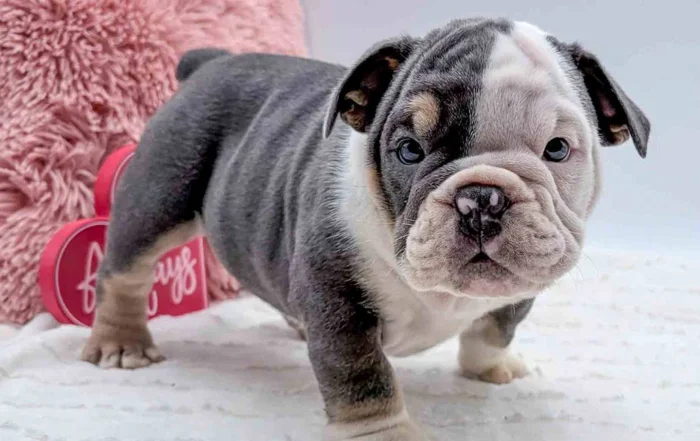
English Bulldog Ear Infections: Causes, Signs, and Prevention
English Bulldog Ear Infections: Causes, Signs, and Prevention English Bulldog ear infections are common due to the breed's rose [...]
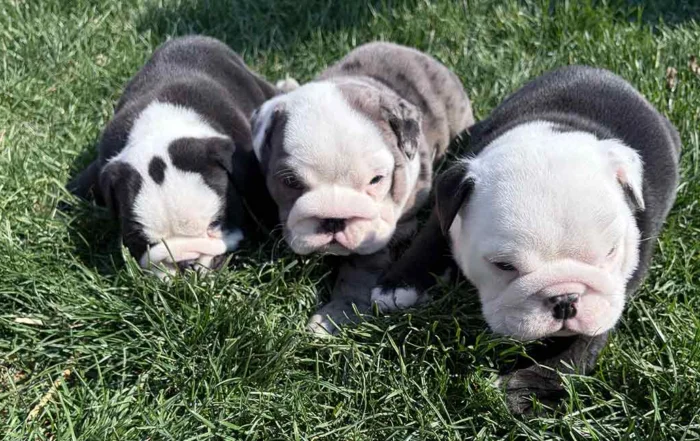
English Bulldog Breathing Problems: What’s Normal and What’s Not
English Bulldog Breathing Problems: What's Normal and What's Not Some noisy breathing, snoring, and grunting is normal for English [...]
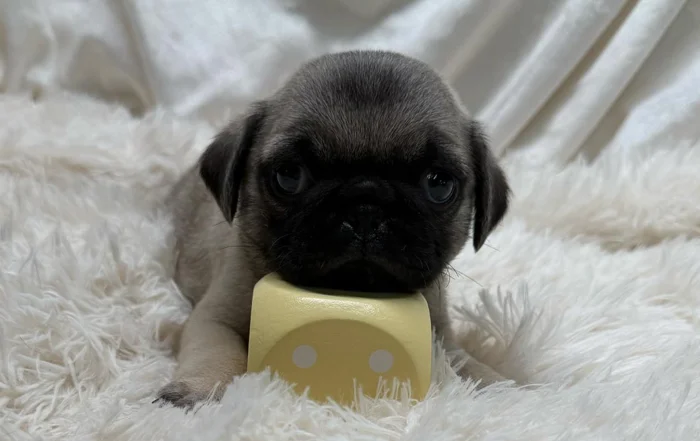
Pug vs French Bulldog: What’s the Difference?
Pug vs French Bulldog: What's the Difference? Quick Answer: In the Pug vs French Bulldog comparison, Pugs tend to [...]
What Do Pugs Eat? A Feeding and Nutrition Guide
What Do Pugs Eat? A Feeding and Nutrition Guide Quick Answer: What do Pugs eat for the best health? [...]