
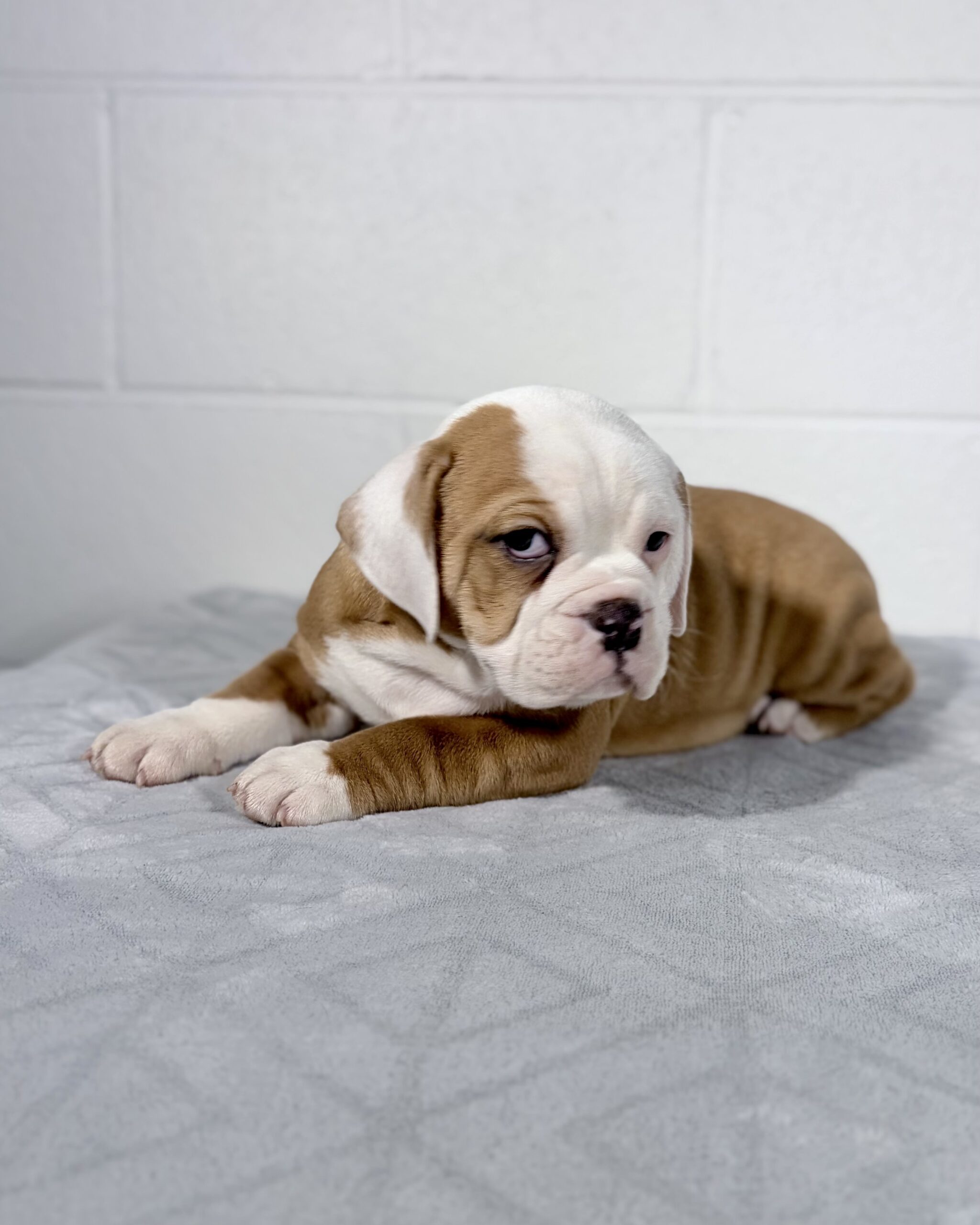
Pug Breed Guide: A Little Dog With a Big Heart
Few dogs bring as much charm and delight into a home as the Pug. With wide, expressive eyes, a scrunched little face, and a tail that curls like a perfect ribbon, this companion seems to have been designed to make people smile. Our Pug puppies for sale are known for their mischievous sense of humor and their deep love of human company, making them treasured friends in families all over the world.
AKC Pugs & Breed Standards
Heart Strong Pups proudly raises the AKC Pug, a small companion breed treasured for its expressive face, playful spirit, and affectionate nature. Our Pugs come from AKC-registered parents whose lineage reflects proper structure, temperament, and the charming personality that has defined the breed for centuries. AKC registration helps ensure consistency in pedigree and breed quality, giving families confidence in both health and heritage.
Producing a thoughtful AKC Pug involves careful consideration beyond paperwork. We look closely at temperament, conformation, and lineage when selecting pairings, focusing on friendly dispositions, balanced structure, and family-friendly personalities. Our goal is to raise Pugs that embody the breed’s warmhearted spirit—dogs who love to play, cuddle, and celebrate everyday life with their people.
Socialization and early care are essential parts of our program. From the start, puppies are introduced to gentle handling, household sounds, and positive experiences that build confidence. Veterinary care, proper nutrition, and early enrichment help each puppy begin life feeling curious, comfortable, and ready to bond. By the time they join their new families, our AKC Pugs are well on their way to becoming loyal, joyful companions.
The Origins of the Pug
The Pug’s story stretches back centuries. Originally developed in China as cherished lap dogs for royalty, the breed later traveled to other regions, capturing the hearts of nobles and everyday families alike. That long history as a companion animal shows clearly in their modern temperament—these dogs love people, and being close to their families is what they do best.
Over time, Pugs have become symbols of loyalty, affection, and good-natured fun. Their size makes them convenient for city living, while their adaptable nature means they fit just as comfortably into quiet rural homes. For a small breed, they have an unexpectedly dignified presence balanced by a delightful streak of silliness.
Temperament: The Pug Personality
Ask anyone who owns one, and they’ll likely describe a Pug as affectionate, comedic, and unabashedly devoted. This breed thrives on togetherness. Whether following you around the kitchen, hopping up for a nap beside you, or acting as a cheerful welcoming committee when you return home, Pugs make sure you’re never lonely.
Their ability to tune into human emotions is one of their most endearing traits. They seem to know when you’re tired or upset, offering soft cuddles or gentle nudges of encouragement. On brighter days, they’re eager to celebrate with games, zoomies, or playful antics that can lift even the dreariest mood.
Despite their clownish charm, Pugs also possess a balanced and even temperament. They rarely show aggression, and with proper socialization, they tend to get along well with children, adults, guests, and even other pets. Their small size and polite nature make outings easier than with many larger or more excitable breeds.
Daily Life With a Pug
Living with a Pug means embracing a life filled with cuddles, warm snoring, and more personality than you’d expect from such a compact dog. Mornings might begin with a happy parade to the food bowl, a joyful trot through the living room, or a few adorable snorts of greeting. After breakfast, a short walk or play session satisfies their curiosity and keeps them healthy.
While they enjoy bursts of energy, Pugs are not marathon runners. The combination of their body structure and breathing tendencies means they prefer moderate activity and cool environments. In warm weather, indoor play or short walks during cooler hours are safer and more enjoyable.
The rest of the day often includes a steady rotation of naps, alert observation of household activities, and requests for attention. A Pug may flatten themselves against your leg for comfort, curl into a tiny ball on a blanket, or gently paw at you to announce that it’s time for more affection.
A Breed Made for Companionship
There are many types of dogs, and each has its purpose. Some guard estates, others herd livestock, and some race across fields with impressive athleticism. The purpose of the Pug is simpler and perhaps more profound—they exist to be close to people. This companion-focused temperament makes them particularly rewarding for owners who prize closeness and emotional warmth.
For retirees or individuals who work from home, a Pug can be a wonderful addition. They don’t require constant entertainment, but they do enjoy presence. For families, they add laughter, bonding moments, and a touch of lighthearted chaos that often becomes the heart of the household.
Grooming and Coat Care
Pugs have smooth, short coats that feel pleasant to the touch and are easy to maintain. They shed more than some new owners expect, especially during seasonal transitions, so regular brushing helps manage loose hair and keeps the skin comfortable. A quick brush several times a week is usually all it takes to keep them looking well-groomed.
Some Pugs have facial folds that benefit from periodic cleaning. Keeping these folds dry and tidy prevents irritation. Routine nail trims, dental care, and ear checks round out the grooming basics. Most of these tasks become bonding time once the dog realizes that grooming leads to praise and treats.
Health and Comfort
Because of their distinctive facial structure, Pugs can be prone to breathing challenges. Responsible breeding practices and modern veterinary care continue to improve outcomes. Owners can further support health by maintaining a healthy weight, choosing appropriate exercise routines, and avoiding excessive heat.
Joint care and eye health are also important considerations. Regular checkups help catch issues early, and a high-quality diet supports long-term wellness. While medical care is an important part of responsible ownership, the payoff is tremendous, healthy Pugs are joyful, affectionate companions who participate fully in family life.
Training and Play
Training a Pug often feels like training a tiny comedian. They are intelligent, but they like to add their own personal flair to learning. This can be charming, but consistency matters. Patience, rewards, and short, engaging sessions work best. Positive reinforcement encourages enthusiasm, while harsh corrections are counterproductive and unnecessary.
Socializing a young Pug helps build confidence. Exposure to new people, sounds, and environments teaches them that the world is friendly and interesting. Adult Pugs continue to enjoy learning, especially when lessons involve puzzles, scent games, or light obedience tasks that stimulate their curious minds.
Exercise and Activity Needs
A common misconception is that Pugs are sedentary. In reality, they enjoy movement, games, and adventure—just within reasonable limits. Short walks around the neighborhood offer stimulation and satisfaction. Indoors, they may race happily through rooms, toss toys into the air, or curl up in a sunny corner to observe activity.
Owners quickly learn to read their Pug’s cues. When tired, they settle easily. When excited, they shine with enthusiasm. Balancing rest and movement keeps them comfortable and healthy without overwhelming them physically.
Pugs and Families
Pugs are renowned for their compatibility with a wide range of households. Children tend to adore their playfulness and expressive faces. Adults appreciate their patience and sweet nature. With seniors, a Pug’s gentle rhythm and manageable size can be especially comforting.
Visitors often receive warm greetings, though the level of excitement varies by personality. Some Pugs become social butterflies, while others prefer the safety of a favorite person’s lap. With proper manners and early introductions, most do very well in social settings.
Choosing a Pug
For prospective owners, finding the right Pug begins with thoughtful research. Responsible breeders focus on health, temperament, and ethical care. Meeting the dogs, asking about lifestyle needs, and discussing medical considerations helps ensure a good match. Adoption is also a meaningful option, and rescue organizations can help connect families with adult Pugs in search of loving homes.
Regardless of age, the decision to welcome a dog should be made with care. Owning a Pug means committing to their needs, honoring their companionship, and cherishing the small joys they bring.
The Joy of Life With a Pug
What stands out most about Pugs is their heart. These little dogs love deeply, express freely, and bring levity to everyday life. Their presence turns ordinary routines into moments of connection. A quiet evening on the couch becomes a shared experience. A simple walk becomes an adventure full of new scents and wagging tails. Even chores feel less mundane when a Pug decides to supervise them.
Our Pug puppies for sale do not seek perfection or drama, only closeness, reassurance, and warmth. That simplicity is part of their magic. In a world that often moves too quickly, a Pug invites us to slow down, notice small pleasures, and spend more time with those who matter.