How to Care for a Pug Puppy
If you are wondering how to care for a Pug puppy, the answer is simple in theory but important in practice. Pug puppies need consistent routines, proper nutrition, early training, and thoughtful care tailored to their unique build and personality. When you get these basics right from the start, you are not just raising a well-behaved dog. You are setting the foundation for a long, healthy life.
At Heart Strong Pups, we have been raising Pug puppies since 1992, and that experience shapes every piece of guidance we give families. This guide covers what actually matters in daily care and how a strong start before your puppy ever comes home makes everything that follows easier.
What Makes Pug Puppies Unique
Before diving into daily care, it helps to understand what makes this breed different.
Pug puppies are:
- Extremely people-focused and affectionate
- Food motivated and easy to train with the right approach
- Sensitive to heat due to their shorter muzzle
- Compact but surprisingly sturdy when well bred
Because of these traits, caring for a Pug puppy is less about doing more and more about doing the right things consistently.
Feeding Your Pug Puppy the Right Way
Nutrition plays a huge role in development, especially during the first year.
Pug puppies do best with:
- High-quality, balanced puppy food
- Measured portions instead of free feeding
- A consistent feeding schedule
Most families feed their puppy 3 meals a day early on, then transition to 2 meals as they grow.
It is important not to overfeed. Pugs gain weight easily, and for a breed that typically reaches 14 to 18 pounds as an adult, even a small amount of extra weight can affect breathing comfort and joint development over time.
At Heart Strong Pups, we always recommend focusing on quality over quantity and keeping your puppy at a healthy, lean condition.
Building a Daily Routine
If there is one thing that makes a huge difference in how to care for a Pug puppy, it is routine.
Pugs thrive on predictability. A structured day helps with training, confidence, and behavior.
A simple routine includes:
- Morning potty break and meal
- Short play and interaction time
- Regular potty breaks throughout the day
- Afternoon rest and calm time
- Evening meal and light activity
- Consistent bedtime
Routine does not need to be rigid, but it should be consistent enough for your puppy to know what to expect.
What to focus on week by week when your puppy first comes home
Week 1: Keep things calm and predictable. Let your puppy explore their space at their own pace. Focus on potty schedule and sleep routine above everything else.
Week 2: Begin short, positive training sessions. Practice name recognition, sit, and basic leash introduction. Keep sessions under 5 minutes.
Week 3 and 4: Start gentle socialization. Introduce new people, sounds, and experiences one at a time in a low-pressure way.
Month 2 and beyond: Build on what is working. Reinforce routines, expand socialization, and start integrating more structured training as confidence grows.
Every puppy moves at their own pace. The goal is progress, not perfection.
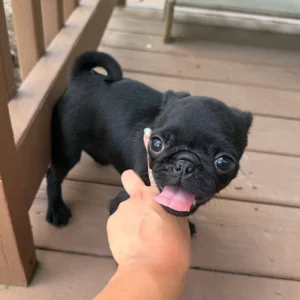
Potty Training Your Pug Puppy
Pugs are smart, but they can also be a little stubborn if training is inconsistent.
The key to successful potty training is:
- Taking your puppy out frequently, especially after eating, sleeping, and playing
- Rewarding immediately after they go outside
- Avoiding punishment for accidents
Most puppies succeed when you stay ahead of the schedule instead of reacting after the fact.
Consistency is what turns confusion into habit.
Exercise and Play
Pug puppies are playful, but they are not high-endurance dogs. Their compact adult size, typically 14 to 18 pounds, is part of what makes their exercise needs so manageable for most families.
Short bursts of activity work best:
- Light play sessions
- Short walks as they grow
- Interactive toys
Avoid overexertion, especially in warm weather. Pugs can overheat faster than other breeds, so it is important to keep activity balanced and safe.
Grooming and Skin Care
One part of how to care for a Pug puppy that many new owners underestimate is grooming.
Pugs are relatively low-maintenance, but they do need consistent care:
- Wipe facial folds regularly to keep them clean and dry
- Brush weekly to manage shedding
- Trim nails as needed
- Clean ears gently and routinely
Starting grooming early helps your puppy get comfortable with handling, which makes lifelong care much easier. One tip specific to Pugs: after cleaning facial folds, always use a dry cloth or soft tissue to make sure moisture is fully removed. Damp folds are where irritation starts, and catching it early is much easier than treating it later.
Keeping Your Pug Puppy Cool
Temperature control is especially important for this breed.
Pug puppies should:
- Stay in a climate-controlled environment
- Avoid midday heat
- Always have access to fresh water
- Be monitored closely during outdoor play
Heat is one of the most preventable risks for Pugs. Awareness goes a long way.
Socialization and Early Training
At Heart Strong Pups, we emphasize early socialization because it shapes the dog your puppy will become.
Expose your puppy to:
- Different people
- Everyday household sounds
- New but safe environments
- Gentle handling and grooming
Positive reinforcement works best for Pugs. They respond well to praise, treats, and encouragement.
Early training builds confidence, not just obedience, and getting the approach right from the start makes every stage of life with your Pug smoother and more enjoyable.
What your Pug puppy already knows when they come home
One thing families are often surprised by is how much groundwork has already been laid before their puppy arrives.
At Heart Strong Pups, puppies do not leave our care without:
- Daily human handling from their earliest weeks
- Early exposure to household sounds, movement, and activity
- The beginnings of a potty routine already in place
- Experience with settling and calm rest periods
- A full veterinary exam and health clearance before placement
That means your first days together are less about starting from scratch and more about building on a foundation that is already there. Most families tell us the transition feels smoother than they expected, and that is not an accident.
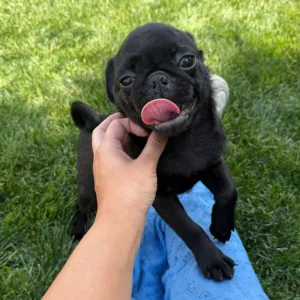
Creating a Safe Home Environment
Pug puppies are curious and people-oriented, which means they want to be where you are.
Set your home up for success:
- Remove small objects that they could swallow
- Use baby gates or play areas when needed
- Provide a comfortable crate or resting space
- Keep cords and hazards out of reach
A safe environment reduces stress for both you and your puppy.
Why Breeding Still Matters in Daily Care
Even when learning how to care for a Pug puppy, it is important to understand that not all puppies start at the same place.
A responsibly bred Pug from health-tested parents with strong structure and early development will be easier to care for from day one, and that is a big part of what separates a well-priced puppy from one that looks cheaper upfront but costs more in care over time. It will:
- Adjust faster to new environments
- Have more stable energy and temperament
- Be easier to train
- Have fewer long-term health risks
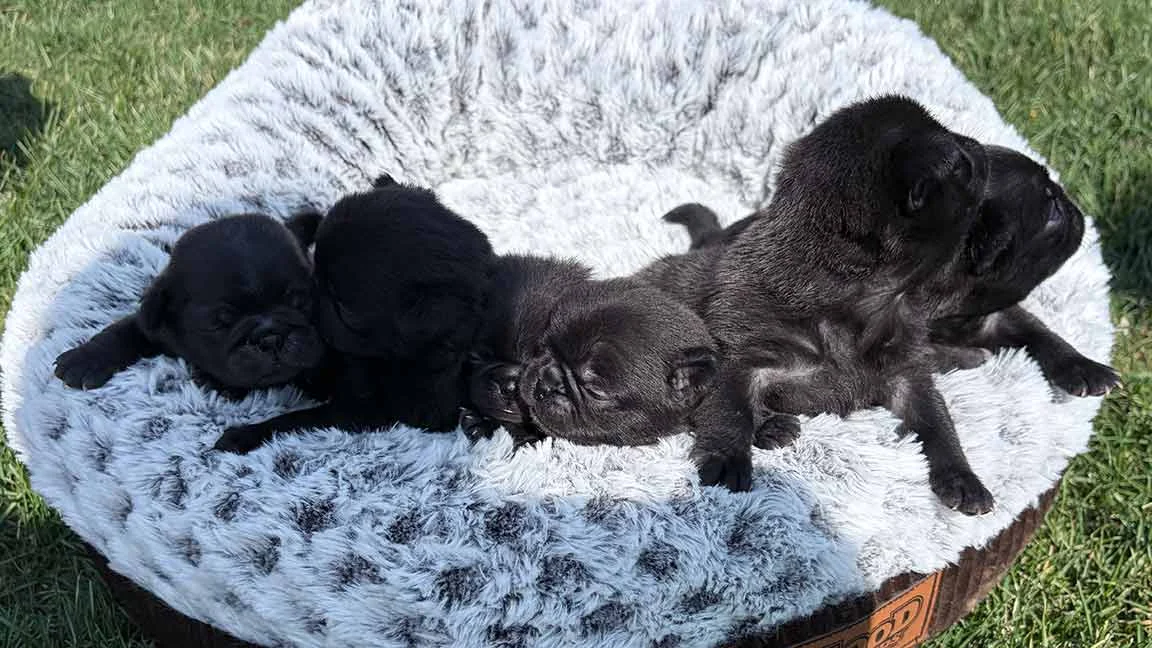
At Heart Strong Pups, that preparation happens long before a puppy comes home. Potty routines, settling habits, and early handling all begin in our nursery, so families are not starting from zero on day one. We also offer nationwide delivery options for families who are not local to us, so the right match does not have to be limited by geography.
What we build in those first weeks shows up in how quickly your puppy adjusts, how steadily they respond to training, and how confidently they move through new experiences. Every puppy also comes with a one-year health guarantee covering significant congenital or hereditary conditions, because the care we invest in early should come with real accountability behind it.
That early investment shows up in how easy your puppy is to care for.
Final Thoughts on How to Care for a Pug Puppy
Learning how to care for a Pug puppy does not have to be overwhelming.
Focus on the essentials:
- Consistent routine
- Proper nutrition
- Safe exercise
- Early training and socialization
- Thoughtful grooming and temperature control
When you combine these with a strong breeding foundation, you give your puppy the best possible start, and the daily habits you build now have a direct impact on how many healthy, comfortable years you share together.
Pugs are loyal, loving, and full of personality. That personality is part of what makes them such a special breed to live with, and it comes through from the very first weeks at home. With the right care, they grow into incredible companions that stay by your side for years.
Frequently Asked Questions
How often should I feed a Pug puppy?
Most Pug puppies eat 3 meals a day when young, then transition to 2 meals as they grow.
Are Pug puppies hard to train?
Pugs are intelligent and food motivated, which makes training easier when you stay consistent and use positive reinforcement.
How much exercise does a Pug puppy need?
Short, controlled play sessions and light walks are enough. Avoid overexertion, especially in heat.
Do Pug puppies need a lot of grooming?
Pug puppies need regular brushing to manage shedding, routine cleaning and drying of facial folds to keep skin healthy, nail trims, and gentle ear checks. None of it is complicated, but starting these habits early makes your puppy comfortable with handling and keeps grooming easy for life.
What is the most important part of caring for a Pug puppy?
Consistency is the foundation of everything. A predictable routine, measured nutrition, early socialization, and regular grooming habits all build on each other. When those basics are done well from the start, caring for a Pug becomes second nature for the whole family.
When should I start training my Pug puppy?
As early as possible. Pug puppies are receptive to learning from their very first weeks at home. Short sessions of 3 to 5 minutes using positive reinforcement and a consistent routine set the foundation for good behavior that lasts.
How do I keep my Pug puppy from overheating?
Keep them indoors in a climate-controlled space during warm weather, limit outdoor activity to cooler morning or evening hours, always provide fresh water, and watch for heavy panting or slowing down as early signs they need a break.
Related Posts
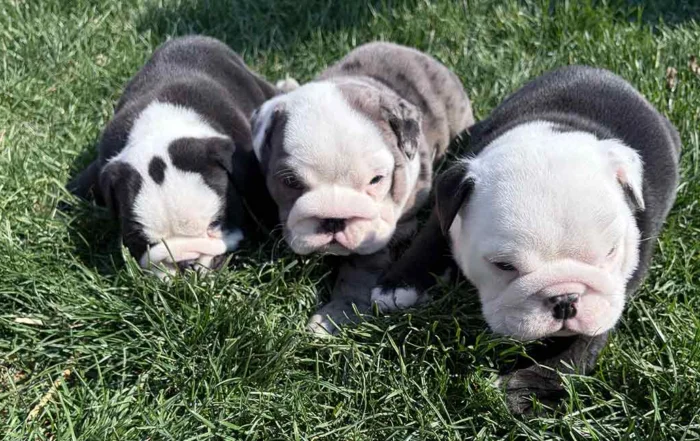
English Bulldog Breathing Problems: What’s Normal and What’s Not
English Bulldog Breathing Problems: What's Normal and What's Not Some noisy breathing, snoring, and grunting is normal for English [...]
Pug vs French Bulldog: What’s the Difference?
Pug vs French Bulldog: What's the Difference? Quick Answer: In the Pug vs French Bulldog comparison, Pugs tend to [...]
What Do Pugs Eat? A Feeding and Nutrition Guide
What Do Pugs Eat? A Feeding and Nutrition Guide Quick Answer: What do Pugs eat for the best health? [...]
How Much Exercise Does a Pug Need?
How Much Exercise Does a Pug Need? Quick Answer: Pug exercise needs are moderate: two short walks per day [...]