How Much Exercise Does a Pug Need?
Quick Answer: Pug exercise needs are moderate: two short walks per day totaling 20 to 30 minutes, plus some indoor play, is enough to keep most adult Pugs healthy. At Heart Strong Pups, we guide every family through the right activity level for this breed before they take a puppy home.
So, how much exercise does a Pug need? A Pug‘s daily activity requirements are lower than many people expect, and getting the balance right matters more for this breed than most. Here is what actually keeps a Pug fit and happy, without overdoing it.
Why Pugs Need Less Physical Activity Than Some Breeds
Pug exercise needs are shaped by their brachycephalic, or short-nosed, structure, which makes intense or prolonged exertion harder on their breathing than it is for longer-nosed breeds. Veterinary sources note that brachycephalic dogs are more prone to overheating and exercise intolerance because their airway restricts how effectively they can pant to cool down. Short, frequent activity works far better than one long, strenuous session.
Daily Activity Checklist
Use this simple checklist as a starting point for meeting your Pug’s exercise needs:
- Two walks per day, each around 10 to 15 minutes
- Free play time indoors or in a fenced yard
- Walks scheduled for cooler parts of the day, not midday heat
- Water available before, during, and after any activity
- A mix of walking and sniffing time, since sniffing is mentally tiring too
- No off-leash running near roads or unfenced areas
Staying consistent with daily walks and playtime helps prevent the weight gain this breed is prone to, and the AVMA recommends at least 30 minutes of daily physical activity for dogs as part of a healthy weight routine, which is worth understanding alongside our guide on how big a Pug gets.
Heat and Exercise Safety
Because of their shortened airway, Pugs overheat more easily than most breeds, so Pug exercise needs should always be adjusted for temperature. Early morning or evening walks are safer than midday activity in warm weather, and exercise should stop immediately if a Pug shows heavy panting, wheezing, or fatigue.
Warning signs to watch for during exercise:
- A change in the sound or rhythm of your Pug’s breathing
- Gums that look darker or bluish instead of their normal pink
- Sudden reluctance to keep walking, even a short distance
- Excessive drooling or glassy-eyed appearance
- Stumbling, wobbling, or collapsing (seek emergency vet care immediately)
These signs are more reliable warning cues than panting alone, since Pugs pant more than many breeds even at rest. Carrying water on any walk longer than a few minutes, choosing shaded routes, and avoiding hot pavement (which can also burn paw pads) are all simple habits that make a real difference for this breed specifically.
Signs Your Pug Is Getting Enough Activity
A Pug meeting their exercise needs typically maintains a healthy weight, sleeps well, and shows steady energy rather than restlessness or destructive behavior. If your Pug seems bored or is gaining weight, increasing structured playtime is usually the first step.
Mental Stimulation Matters Too
Meeting Pug exercise needs is not only about physical activity. Puzzle toys, short training sessions, and sniff-based games all provide mental stimulation that tires a Pug out without the physical strain of intense exercise. For a breed with limited stamina, this kind of enrichment often does more for overall wellbeing than an extra lap around the block.
How We Prepare Puppies for Healthy Activity Habits
Every Heart Strong Pups puppy grows up with supervised play and early handling in our state-inspected nursery, which builds a foundation for healthy activity habits from the very beginning. We are always happy to talk through appropriate exercise routines with new families.
Our health guarantee reflects our commitment to sending home puppies set up for a long, healthy life.
A Hot Afternoon That Changed Our Advice
Several summers ago, one of our own adult Pugs came in from a midday walk breathing harder and slower to settle down than usual, even though the walk itself had been short. We got her inside, into the air conditioning, and offered water, and she was back to herself within about twenty minutes, but it was enough of a scare that we changed our own routine on the spot. From that day on, every walk for our dogs happens either early in the morning or after the sun starts going down during the warmer months, no exceptions, regardless of how short the walk is. It is one of the first pieces of advice we now give every new Pug family, not because we read it somewhere, but because we watched it happen with a dog we love, and it only took one afternoon to convince us how quickly heat can affect this breed.
Activity Levels as a Pug Ages
A Pug’s exercise needs shift meaningfully across their lifetime, and adjusting the routine at each stage matters as much as getting the daily amount right. Puppies under six months should avoid long or repetitive walks, since their joints and growth plates are still developing, and short bursts of supervised play are generally safer than structured walking routines during this period. From about one to seven years old, most Pugs settle into the two-walk-a-day pattern described above, with individual variation based on body condition and overall health.
Senior Pugs, generally those past seven or eight years old, often benefit from shorter, gentler walks rather than stopping activity altogether, since maintaining some movement helps preserve joint mobility and muscle tone. Watch for signs of arthritis, such as stiffness after resting or reluctance to jump onto furniture, and talk with your veterinarian about adjusting the routine accordingly. Swimming, when properly supervised, can also be a gentler option for older Pugs or those with joint concerns, since it provides low-impact activity without the strain that walking on hard pavement can place on aging joints.
Frequently Asked Questions
How many walks does a Pug need per day?
Most Pugs do well with two short walks per day, totaling around 20 to 30 minutes depending on age and fitness level.
Can Pugs exercise in hot weather?
Pugs should avoid strenuous exercise in heat due to their short airway, with early morning or evening walks being safer.
Do Pugs need a lot of exercise compared to other breeds?
No, Pug exercise needs are moderate compared to high-energy breeds, though consistent daily activity is still important.
What happens if a Pug does not get enough exercise?
Insufficient activity often leads to weight gain, which Pugs are already prone to, along with restlessness or boredom-related behavior.
Ready for a Pug of Your Own?
Visit our Pug puppies page to see available litters and learn more about life with this breed.
Related Posts
English Bulldog Ear Infections: Causes, Signs, and Prevention
English Bulldog Ear Infections: Causes, Signs, and Prevention English Bulldog ear infections are common due to the breed's rose [...]
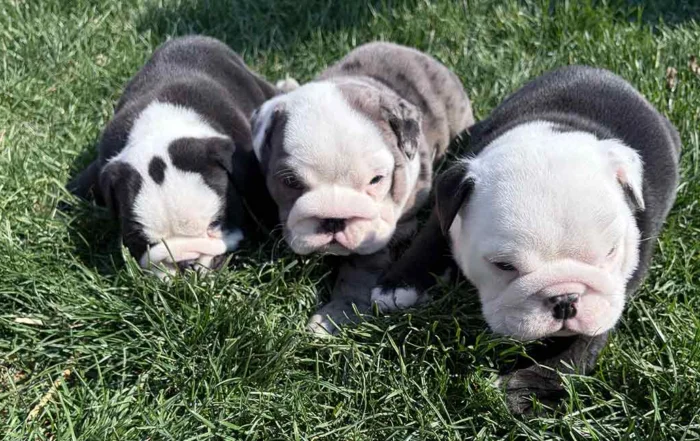
English Bulldog Breathing Problems: What’s Normal and What’s Not
English Bulldog Breathing Problems: What's Normal and What's Not Some noisy breathing, snoring, and grunting is normal for English [...]
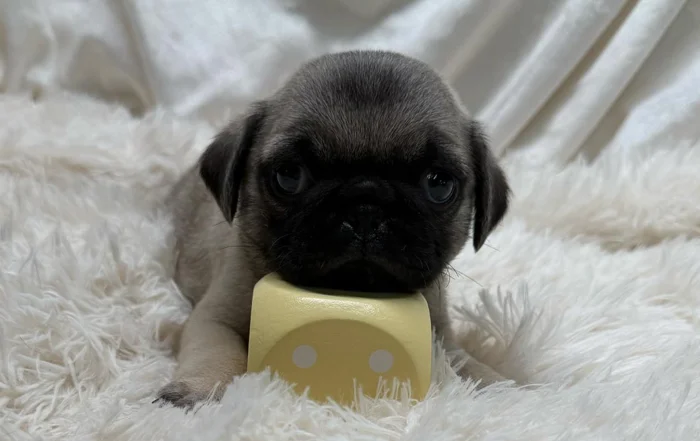
Pug vs French Bulldog: What’s the Difference?
Pug vs French Bulldog: What's the Difference? Quick Answer: In the Pug vs French Bulldog comparison, Pugs tend to [...]
What Do Pugs Eat? A Feeding and Nutrition Guide
What Do Pugs Eat? A Feeding and Nutrition Guide Quick Answer: What do Pugs eat for the best health? [...]