
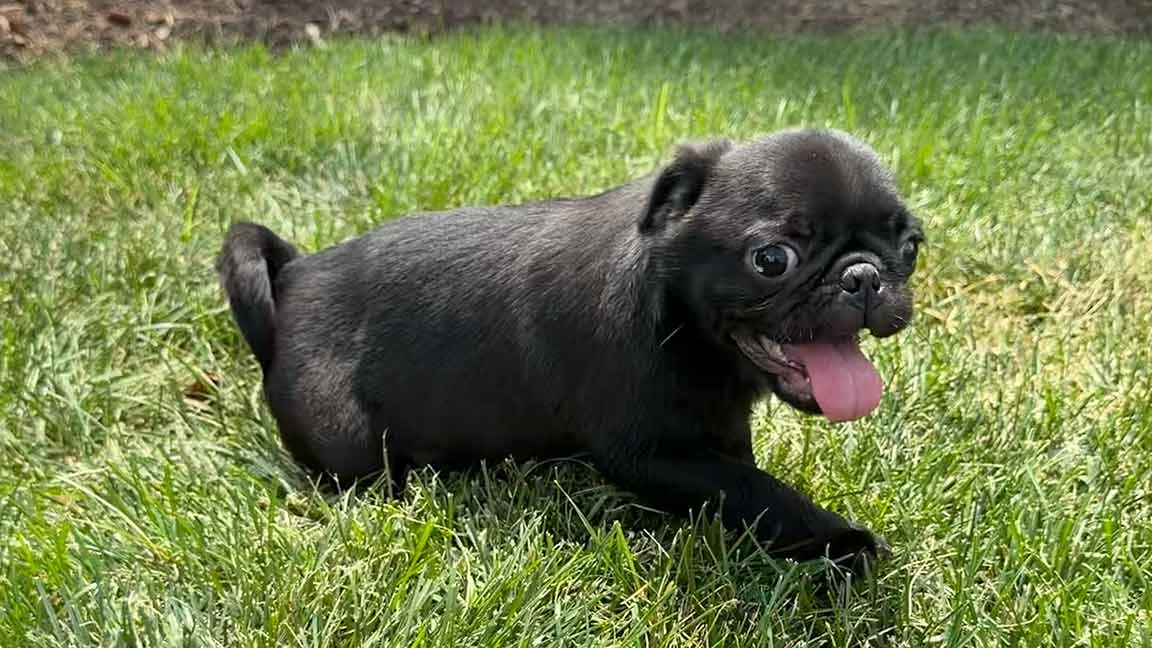
How to Train a Pug
“How to train a Pug” is one of the first questions families ask us, and honestly, it’s a good one. The short answer? Pugs are very trainable when you approach them the right way. They are people-focused, food-motivated, and eager to be part of whatever you’re doing. That combination makes Pug training much easier than most first-time owners expect.
At Heart Strong Pups, we don’t just send puppies home and hope for the best. Our puppies are raised with early structure, daily interaction, and positive experiences that give them a strong foundation before they ever meet their new families. That early start is a big reason why training feels smoother from day one.
Start With the Right Expectations
Before diving into techniques, it helps to understand how Pugs think.
They are:
- Social and people-oriented
- Motivated by food and praise
- Sensitive to tone and energy
- Occasionally, a little stubborn when bored
That last one matters. When people struggle with how to train a Pug, it’s usually not because the dog can’t learn. It’s because the training isn’t engaging enough.
Keep it short, keep it positive, and keep it consistent.
Pug training by age: what to focus on and when
Week 8 to 10: Focus on name recognition, basic potty routine, and crate introduction. Keep everything calm and positive. This is about building trust, not commands.
Weeks 10 to 16: Introduce sit, stay, and come in short sessions. Begin leash introduction indoors. Socialization with new people and sounds is a priority here.
Months 4 to 6: Build on existing commands and add new ones gradually. Start practicing in slightly more distracting environments like the backyard or a quiet street.
Months 6 to 12: Reinforce everything consistently. This is when good habits either solidify or start to slip, so routine matters more than ever.
Every puppy moves at their own pace. The goal is always steady progress, not a checklist finished on a deadline.
Why Early Foundations Matter
One thing we’ve learned over the years is that good pug training starts long before formal commands.
At Heart Strong Pups, our puppies are:
- Handled daily from a young age
- Exposed to household sounds and routines
- Introduced to gentle structure and boundaries
This early exposure builds confidence. A confident puppy learns faster, adapts quicker, and handles new situations with less stress.
When families take home one of our Pugs, they are not starting from zero. They are continuing a process that is already in motion. After more than 30 years of raising dogs, we have learned that the habits and confidence built in those first weeks are not easily undone, for better or worse. That is why we take the early period so seriously, and why families consistently tell us their puppy felt more settled than they expected from day one.
The Best Way to Train a Pug
If you’re wondering how to train a Pug effectively, focus on three things: timing, consistency, and reward.
Keep Training Short and Frequent
Pugs do best with short sessions:
- 5 to 10 minutes at a time
- Multiple sessions throughout the day
Long sessions lead to boredom, and boredom leads to that classic Pug stubbornness.
Use Positive Reinforcement
Pugs respond extremely well to rewards:
- Small treats
- Verbal praise
- Gentle affection
Positive reinforcement builds trust and makes pug training something they actually enjoy.
Be Consistent With Commands
Pick one word per command and stick to it.
For example:
- “Sit” instead of switching between “sit down” or “sit please”
- “Come” instead of mixing in “here” or “let’s go”
Consistency removes confusion and speeds up learning.
Potty Training a Pug
Potty training is one of the biggest concerns for new owners when thinking about how to train a Pug.
The key is routine.
- Take your puppy out first thing in the morning
- Go out after meals, naps, and playtime
- Reward immediately after they go in the right spot
Pugs thrive on predictability. The more consistent your schedule, the faster they understand what’s expected.
Crate Training and Structure
Crate training plays a big role in successful pug training.
When done correctly, a crate becomes:
- A safe, comfortable space
- A tool for building routine
- A way to prevent accidents when unsupervised
The goal is never punishment. It’s structure and security.
Socialization Is Part of Training
Training is not just commands. It is also how your Pug experiences the world, and it fits naturally alongside the daily care routines you are building at the same time.
Expose your puppy to:
- New people
- Different environments
- Everyday sounds and routines
At Heart Strong Pups, we begin this process early so our puppies leave us more confident and adaptable. That confidence makes every part of pug training easier moving forward.
Common Mistakes to Avoid
Even though Pugs are easygoing, there are a few mistakes that can slow progress:
- Inconsistent routines
- Overly long training sessions
- Harsh corrections instead of positive guidance
- Expecting too much too quickly
Training is not about perfection. It’s about steady progress. It is also worth knowing that the ease of that progress is directly tied to how your puppy was bred and raised before coming home, which is a big part of what separates a well-priced puppy from one that looks cheaper upfront.
What our puppies already know before they come home
One thing that makes training easier from day one is that our puppies are not arriving with a blank slate.
Before leaving our care, Heart Strong Pups puppies have experienced:
- Daily human handling and interaction from their earliest weeks
- Exposure to household sounds, movement, and everyday activity
- The beginnings of a settling routine and calm rest periods
- Gentle boundary introduction as part of their nursery structure
- A full veterinary exam and health clearance before placement
That means the first commands you teach are not competing with fear or uncertainty. Your puppy is already comfortable with people, routine, and gentle guidance. You are building on something, not starting from nothing.
Why Pugs Are Easier to Train Than You Think
A lot of people assume small breeds are harder to train, but that’s not really the case here.
When you understand how to train a Pug, you realize they:
- Want to be close to their people
- Enjoy learning when it’s rewarding
- Respond well to structure and routine
They’re not difficult. They just need the right approach. Their compact size also means training sessions, walks, and enrichment activities are all easy to fit into a normal day without rearranging your life around them.
Final Thoughts
So, how to train a Pug? Keep it simple, stay consistent, and make it positive.
With the right foundation and a little patience, pug training becomes less of a chore and more of a natural part of daily life. The habits you build now also contribute to a calmer, more confident dog across their entire lifespan. And when you start with a well-raised puppy from an ethical breeder like Heart Strong Pups, you are already a few steps ahead before training even begins. Our puppies come from AKC-registered, health-cleared parents and include a one-year health guarantee covering significant congenital or hereditary conditions. If you are ready to bring a Pug home, browse our available puppies or reach out to us directly.
FAQ
How to train a Pug for basic commands?
Use short sessions, clear commands, and positive reinforcement like treats and praise.
Is pug training difficult?
No. Pugs are intelligent and eager to please, which makes training easier than many people expect.
How long does it take to train a Pug?
Most Pugs pick up basic commands like sit, stay, and come within 2 to 4 weeks of consistent practice. Potty training typically takes 4 to 8 weeks, depending on routine consistency. Training never really stops, but the heavy lifting is usually done in the first few months.
Are Pugs stubborn?
They can be if they are bored, but with engaging and consistent training, they respond very well.
When should you start pug training?
Training should start as soon as your puppy comes home, typically around 8 weeks of age.
What is the best reward for training a Pug?
Small, soft treats work best for Pug training because they are quick to eat and do not interrupt the session. Verbal praise and gentle affection also go a long way with this breed. Keep treats small to avoid overfeeding during training sessions.
Can you train a Pug to be left alone?
Yes, with gradual practice. Start with very short absences and build up slowly over several weeks. Crate training helps significantly, as it gives your Pug a safe, comfortable space that feels familiar when you are away.
How do you handle a stubborn Pug during training?
Stubbornness in Pugs is almost always a sign that the session has gone on too long or the reward is not motivating enough. End the session, take a break, and come back fresh. Shorter sessions with higher-value treats usually solve the problem quickly.
Related Posts
English Bulldog Breathing Problems: What’s Normal and What’s Not
English Bulldog Breathing Problems: What's Normal and What's Not Some noisy breathing, snoring, and grunting is normal for English [...]
Pug vs French Bulldog: What’s the Difference?
Pug vs French Bulldog: What's the Difference? Quick Answer: In the Pug vs French Bulldog comparison, Pugs tend to [...]
What Do Pugs Eat? A Feeding and Nutrition Guide
What Do Pugs Eat? A Feeding and Nutrition Guide Quick Answer: What do Pugs eat for the best health? [...]
How Much Exercise Does a Pug Need?
How Much Exercise Does a Pug Need? Quick Answer: Pug exercise needs are moderate: two short walks per day [...]