
Why Positive Reinforcement Works for Every Dog
Positive reinforcement works for every dog because it builds trust, encourages willing cooperation, and creates a lasting bond between dog and owner. Instead of teaching a dog what not to do through fear or correction, positive reinforcement focuses on rewarding the behaviors you want to see more of. The result is a dog that is not just obedient but genuinely engaged, confident, and happy to work with you.
What Is Positive Reinforcement in Dog Training?
Positive reinforcement means adding something your dog loves immediately after they perform a desired behavior. That reward makes the behavior more likely to happen again. It sounds simple because it is, and that simplicity is exactly what makes it so effective across all breeds, ages, and temperaments.
At Heart Strong Pups, we have been raising dogs since 1992, and positive reinforcement has been central to how we prepare every puppy for life at home. From the earliest days of handling and socialization, we focus on creating positive associations that help puppies grow into confident, emotionally stable companions.
The Science Behind Why It Works
Dogs repeat behaviors that feel good and avoid behaviors that do not. When you reward a behavior consistently and immediately, your dog’s brain begins to associate that behavior with something positive. Over time, the behavior becomes a habit.
This is not just theory. Decades of animal behavior research support reward-based training as the most effective and humane approach to shaping behavior. It works because it works with the dog’s natural learning process rather than against it.

What Counts as a Reward?
One of the most common misconceptions about positive reinforcement is that it only means giving treats. In reality, anything your dog finds valuable counts as a reward.
- Small, soft training treats that your dog can eat quickly
- Verbal praise in a warm, enthusiastic tone
- A favorite toy or a quick game of tug
- Physical affection, like a scratch behind the ears
- The opportunity to sniff, explore, or do something fun
The key is knowing what motivates your individual dog. Some dogs will do anything for food. Others light up for play or praise. Pay attention to what your dog responds to most and use that to your advantage.
How to Use Positive Reinforcement Effectively
Getting the most out of reward-based training comes down to a few core principles.
Timing Is Everything
The reward must be delivered within 1 to 2 seconds of the desired behavior. Dogs live in the moment, and a delayed reward gets associated with whatever your dog is doing right then, not what they did a few seconds ago. The faster you reward, the clearer the message.
Be Consistent
Everyone in the household should use the same cues and reward the same behaviors. Inconsistency confuses dogs and slows progress. If one person rewards jumping up and another corrects it, your dog has no clear understanding of what is expected.
Keep Sessions Short
Dogs, especially puppies, have short attention spans. Five to ten-minute training sessions are far more effective than long drawn-out ones. End on a success whenever possible so your dog finishes the session feeling good.
Raise the Bar Gradually
Start with easy wins and build from there. Once your dog reliably performs a behavior in a calm environment, practice it with mild distractions, then gradually increase the difficulty. This process, called shaping, helps dogs generalize what they have learned to real-world situations.
Positive Reinforcement at Every Stage of Life
One of the greatest strengths of reward-based training is that it works at every age and stage.
Puppies
Puppies are natural learners and soak up information quickly. Early positive experiences with training build confidence and make future learning easier. At Heart Strong Pups, puppies are gently handled daily and introduced to structure before placement, giving families a head start the moment their puppy comes home.
Adolescent Dogs
The teenage phase, usually between six and eighteen months, can be challenging as dogs test boundaries and become easily distracted. Positive reinforcement keeps training sessions engaging and helps maintain the relationship even when your dog is pushing limits.
Adult and Senior Dogs
The old saying that you cannot teach an old dog new tricks is simply not true. Adult dogs learn beautifully with positive reinforcement, and senior dogs benefit enormously from the mental stimulation that training provides.
Common Mistakes to Avoid
Even with the best intentions, it is easy to fall into habits that undermine your training efforts.
- Rewarding too late, so the dog associates the treat with the wrong behavior
- Phasing out rewards too quickly before the behavior is truly reliable
- Using an inconsistent cue word or changing commands mid-training
- Training when your dog is tired, overstimulated, or not feeling well
- Expecting too much too soon and getting frustrated when progress feels slow
Why Heart Strong Pups Believes in This Approach
Responsible breeding does not end at birth. It includes giving puppies the kind of early experiences that make them easier to live with and train. When puppies are raised with gentle handling, consistent routines, and positive early interactions, they arrive in their new homes already predisposed to trust people and respond well to guidance.
That is the philosophy we have built our program around for over thirty years. Positive reinforcement is not a trend for us. It is simply the right way to work with dogs.
Meet Our English Bulldogs and Pugs
If you are looking for a puppy that has already been introduced to structure, handling, and positive early experiences, we would love to connect. Browse our available English Bulldogs and Pugs to find your perfect match, and reach out with any questions. We are happy to talk through our program, our process, and what to expect when you bring one of our puppies home.

Frequently Asked Questions
Is positive reinforcement effective for stubborn dog breeds?
Yes. Every dog, regardless of breed or reputation, responds to reward-based training when it is applied consistently and correctly. Some breeds may require more patience or higher-value rewards, but the principle works across the board.
How long does it take to see results with positive reinforcement?
Many dogs begin responding to basic cues within just a few sessions. More complex behaviors take longer to build, but with daily practice and consistency, most owners see meaningful progress within two to four weeks.
Can positive reinforcement fix problem behaviors?
Positive reinforcement is highly effective at replacing unwanted behaviors with better ones. Rather than punishing the problem behavior, you focus on rewarding an incompatible behavior instead. For example, a dog cannot jump on guests and sit at the same time.
Do I always need to carry treats to train my dog?
Not forever. In the early stages of learning a new behavior, frequent rewards are important. Over time you can shift to a variable reward schedule, where you reward sometimes but not every time, which actually makes the behavior more durable. Eventually many behaviors can be maintained with praise alone.
At what age should I start training my dog?
As early as possible. Puppies as young as seven to eight weeks old can begin learning simple cues. The earlier you start building positive associations and basic manners, the easier everything that follows will be.
Related Posts
English Bulldog Ear Infections: Causes, Signs, and Prevention
English Bulldog Ear Infections: Causes, Signs, and Prevention English Bulldog ear infections are common due to the breed's rose [...]
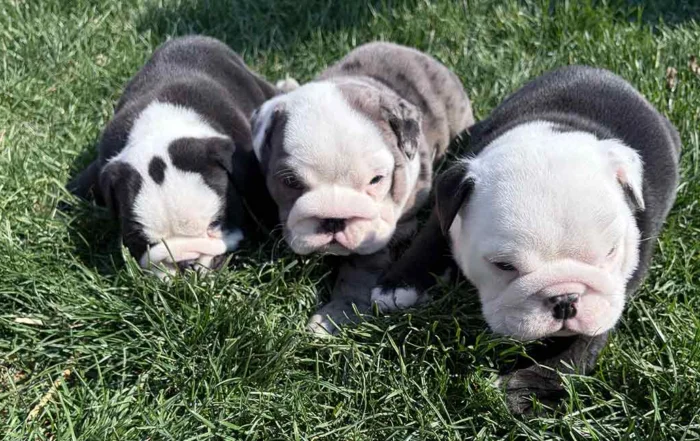
English Bulldog Breathing Problems: What’s Normal and What’s Not
English Bulldog Breathing Problems: What's Normal and What's Not Some noisy breathing, snoring, and grunting is normal for English [...]
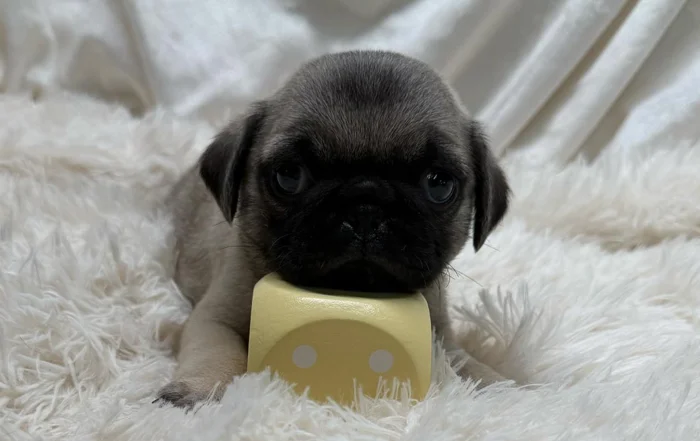
Pug vs French Bulldog: What’s the Difference?
Pug vs French Bulldog: What's the Difference? Quick Answer: In the Pug vs French Bulldog comparison, Pugs tend to [...]
What Do Pugs Eat? A Feeding and Nutrition Guide
What Do Pugs Eat? A Feeding and Nutrition Guide Quick Answer: What do Pugs eat for the best health? [...]